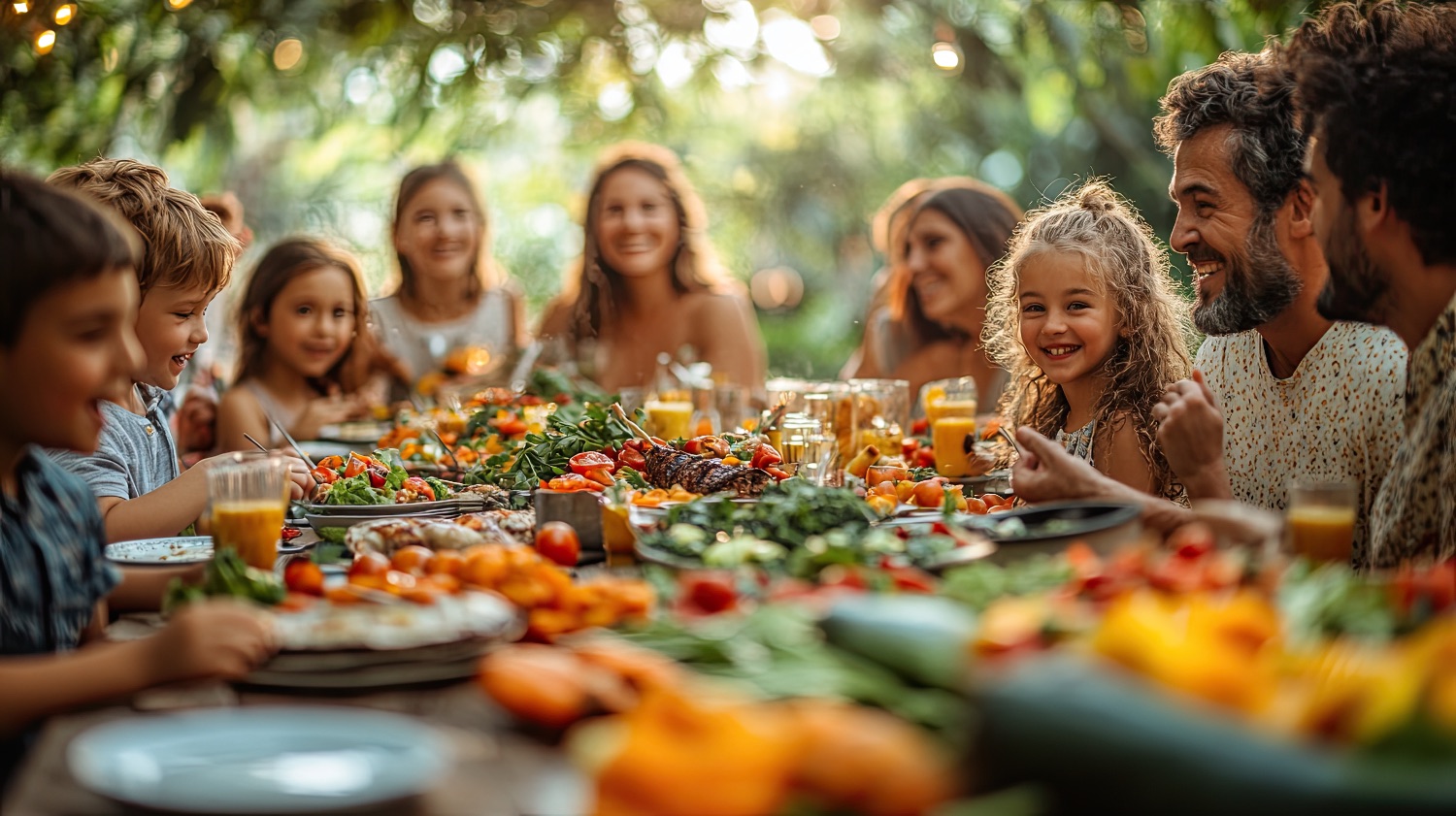
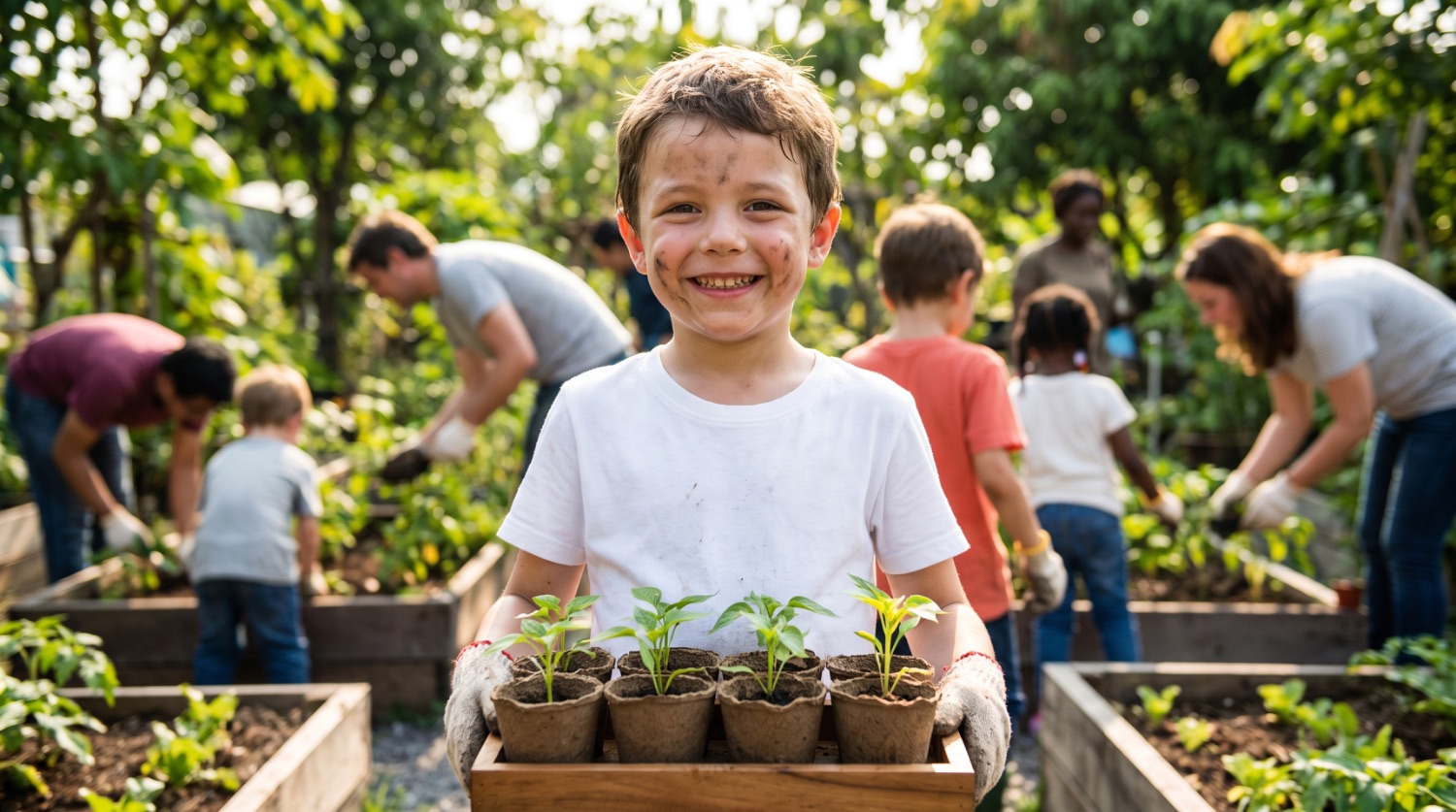
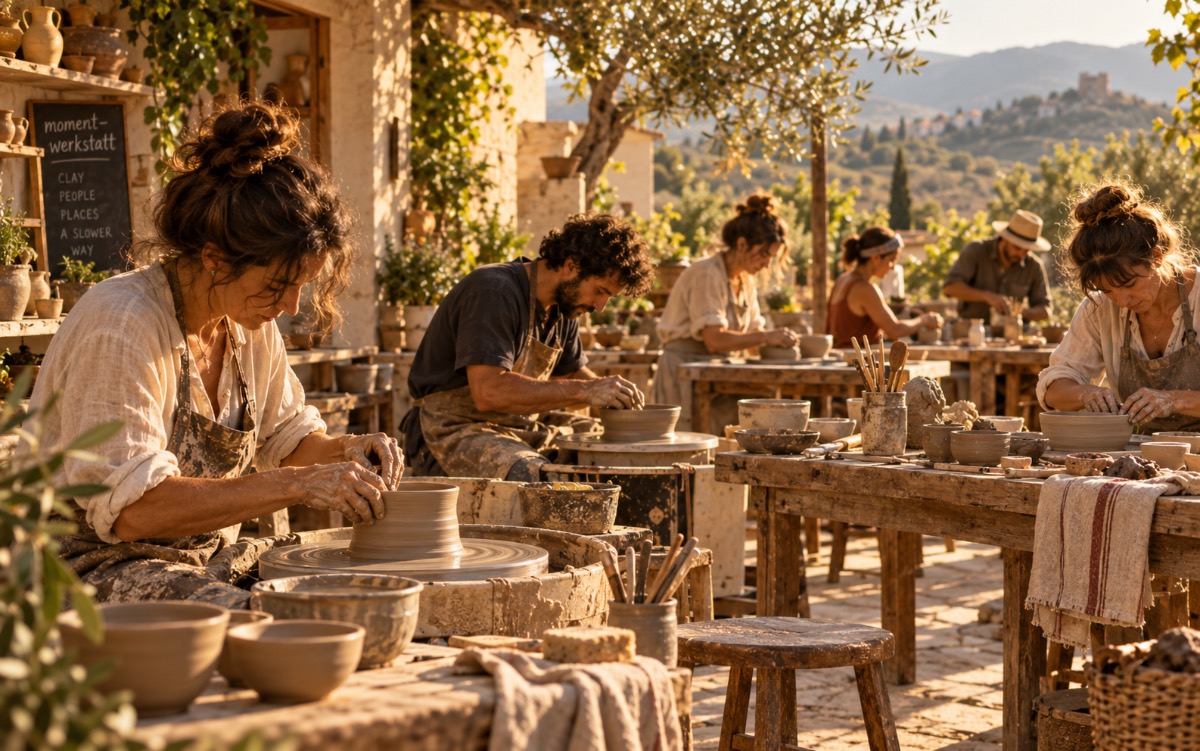
Reconnect the place with its reality.
- Land
- Ownership
- People
- Local context
- Existing assets
- Relationships
- Potential
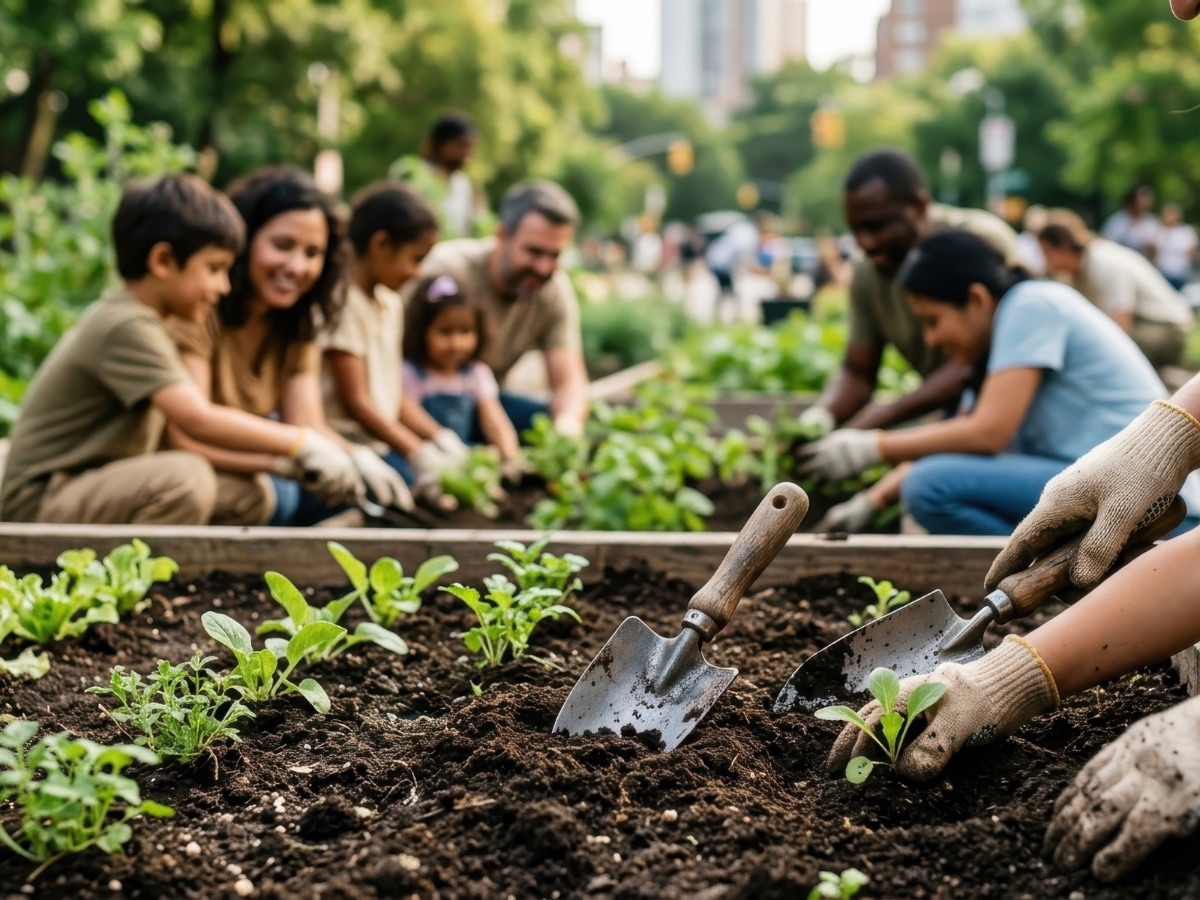
See what is already there before building something new.
A network and operating model for places where entrepreneurial families live, learn and build.
Arts Villages is the network. Tibi is the first living proof.
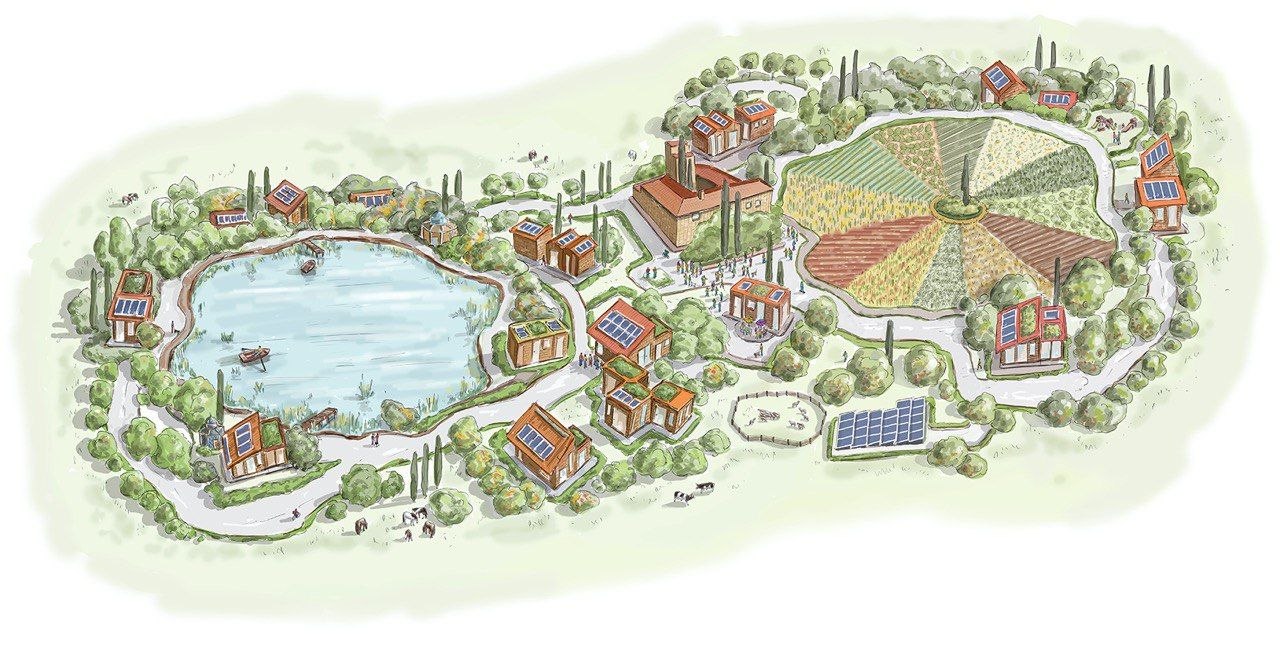
A hand-drawn idea of a Village before the first location existed.
Drawing · not a site planThe Circle may begin through people, work, ideas and contribution. But real life still needs places.
A Village is infrastructure for lives already in motion.
How can my place become part of a larger operating system?
Path 02 · People
How can I experience the system before taking deeper responsibility?
Two layers describe every Arts Village. What it consists of — and who holds what. They are designed separately on purpose.
What a Village consists of. The fields a functioning place must cover.
Who holds what. Rights and responsibilities that stay separate.
Every place is different. The underlying fields are shared.
The Essentials describe the system fields that a functioning Village must cover. How each place staffs, sizes and operates them is defined locally.

Family, human development, care, bonding and health. The family field.
Open essence.art →
Capabilities, work, entrepreneurship, skills and responsibility.
Open talents.art →
Land, food, agriculture and regenerative use.
Open terra.art →
Housing, energy, water, construction and physical infrastructure.
Open elements.art →
Connection, governance, events and collaboration.
Open unite.art →
Art, culture, production, expression and visible creation.
Open creating.art →At network level the Essentials are a framework, not an assignment. Specific Founder or operator structures may tie people to a field; that is decided per place.
A new place does not need to activate all six at once. It needs to know which fields it covers, which it plans, and who carries each one.
A place can work on its own. In the network it starts with a shared brand, shared frameworks and reusable operating knowledge — while ownership, the asset and local decisions stay with the place.
The network adds to a place.It does not take it over.
Six steps. Each one can end the process.
Understand the model.
Place, ownership, infrastructure, legal reality and local potential.
Define the local Village configuration.
Launch selected fields and formats.
Run the place with clear roles and responsibilities.
Become an active node in the Arts Villages network.
Above the six operational steps sits a simpler logic of change. It applies to places — and equally to people, families and ventures.
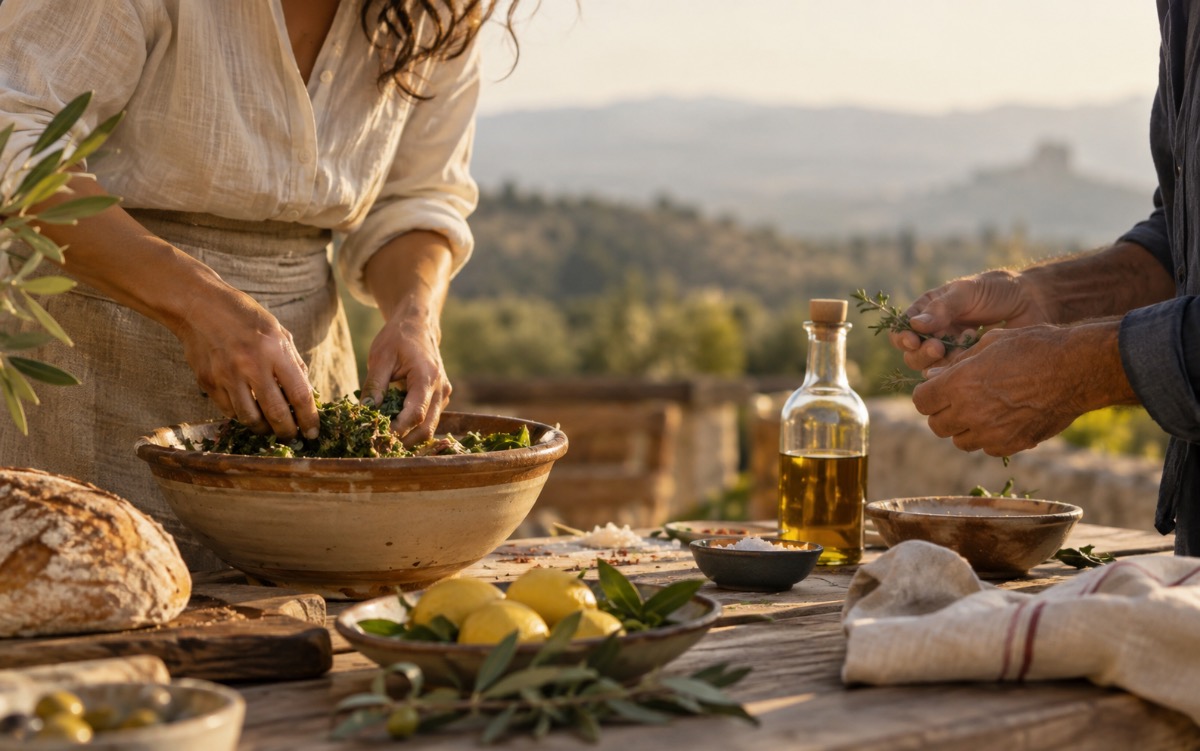
Reconnect the place with its reality.
See what is already there before building something new.
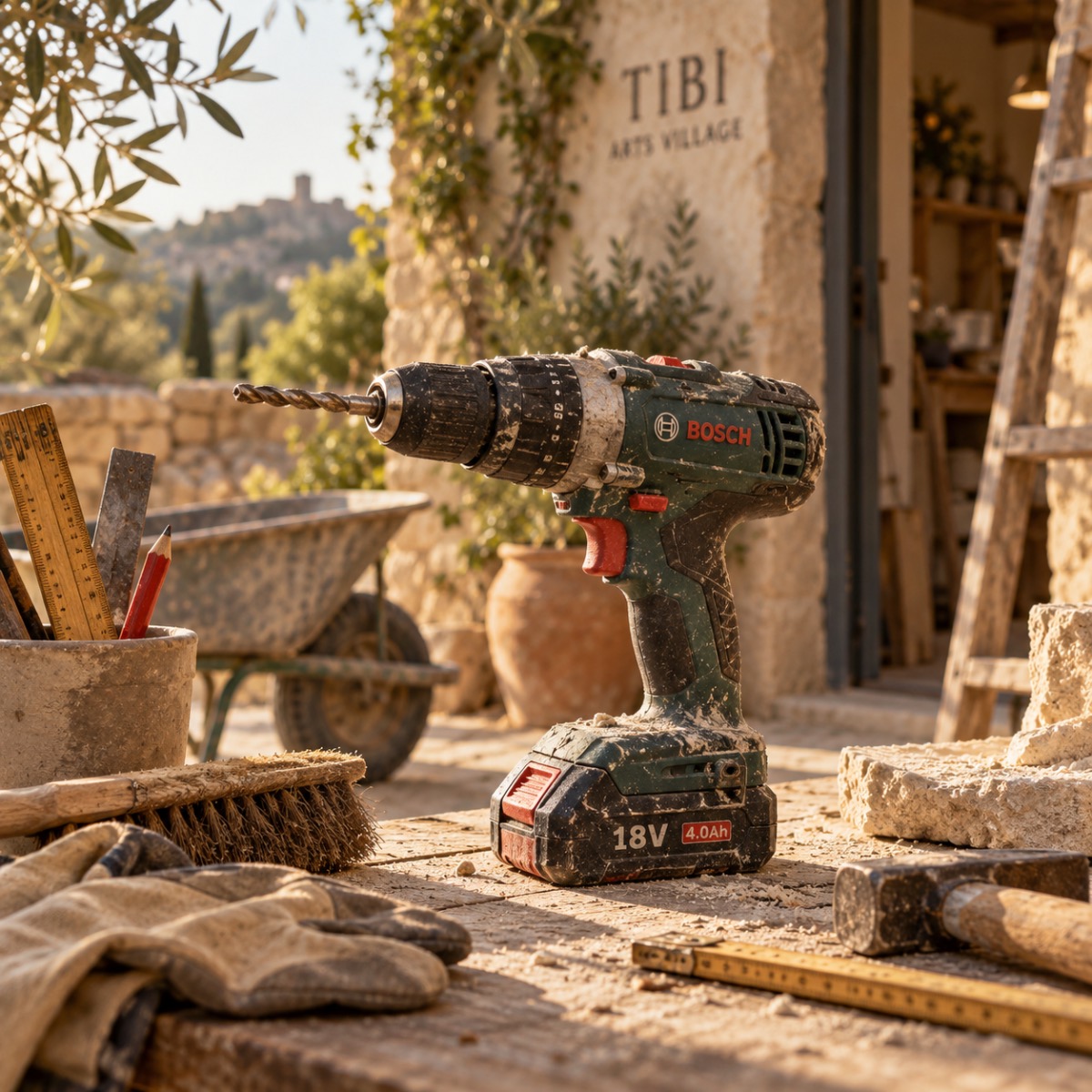
Build the structures that make the place work.
Turn intention into an operating system.
Activate what the place can become.
Move from structure into entrepreneurship and value creation.
Life is the first venture.What a place becomes.
How it gets there.
Owning land does not make you the operator. Living there does not give you governance. Capital does not buy residency. Each role has its own entry and its own responsibility.
Owns land or the physical asset.
Provides capital.
Runs the system at the place.
Lives at the place.
Participates in the Circle network.
Holds strategic decision rights.
| Example | Owner | Investor | Operator | Resident | Member | Governance | What this means |
|---|---|---|---|---|---|---|---|
| Paying guest | May simply be a customer. | ||||||
| Resident | Lives there. Is not automatically an operator. | ||||||
| Investor | May never live there. | ||||||
| Operator | Runs the place. May not own the land. | ||||||
| Landowner | Holds the asset. Operations are a separate agreement. | ||||||
| Vanguard · Tibi | Responsibility does not automatically create ownership, residency or governance. |
These roles can overlap.They do not automatically overlap.
The network defines the pathway. Each place decides what it offers along it. For deeper participation, the relationship starts before residency.
Each Village translates this model into local formats.
Locations are listed only when they exist. Further places are developed with owners, operators and partners.
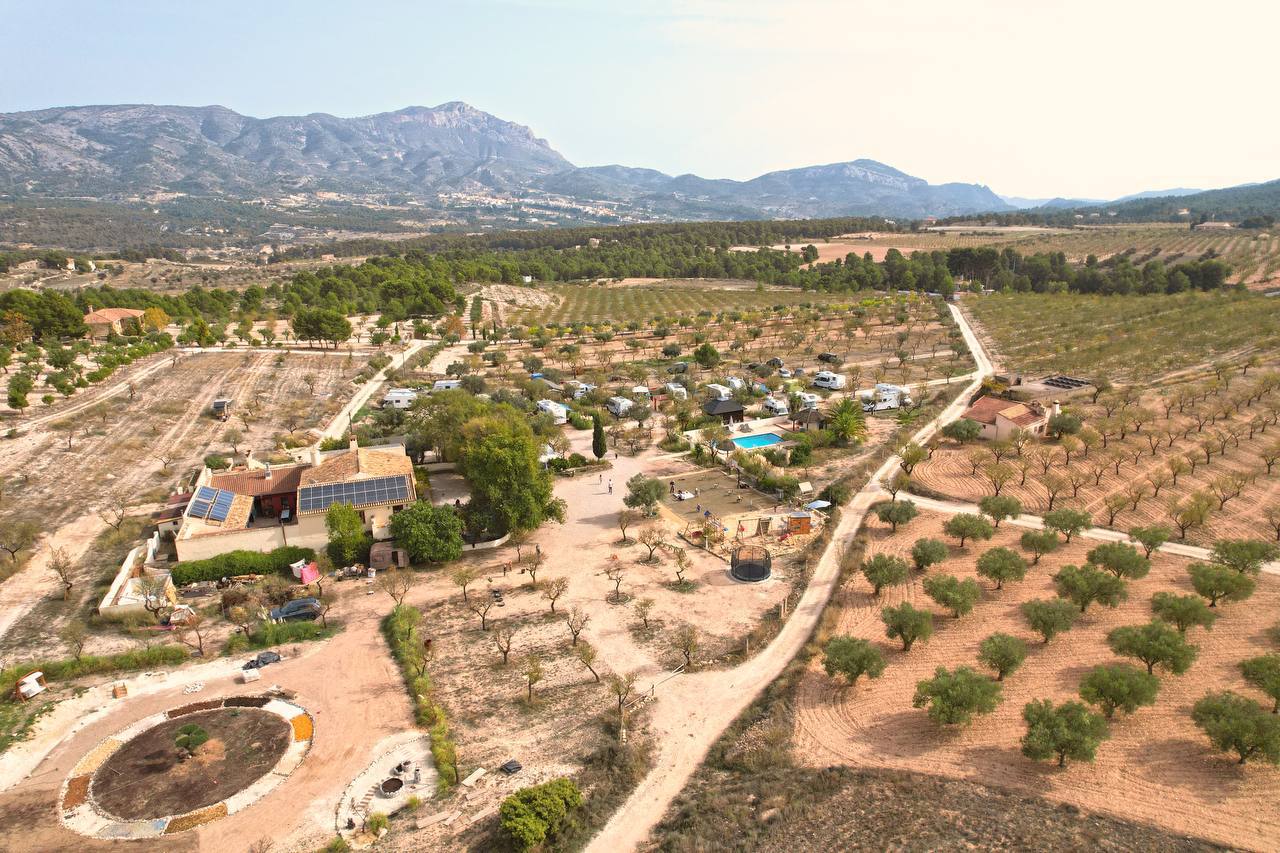
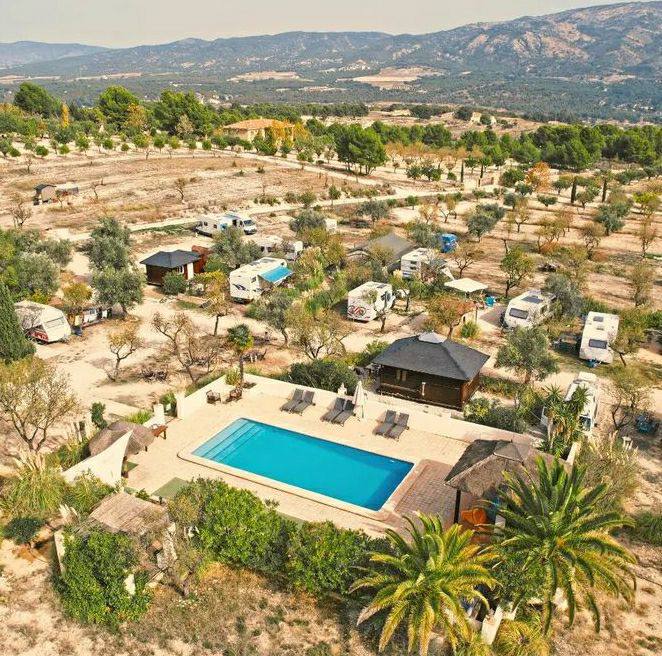
Tibi · Alicante, Spain · aerial, unretouched
Tibi is where the Arts Villages model is being tested, refined and built in reality. It is evidence of the model — not its definition.


NoteStatus of each item to be confirmed by the Tibi team before publication. Operating and licensing status is documented on the Tibi page.
Unfinished infrastructure, evolving roles, local legal reality. Tibi shows the model as it is being built — including what is not solved yet.
Founder base
Family life
Land
Food · Terra
Build process
Founder DaysThree local programmes with different depths of commitment. Responsibility can deepen — progression is never automatic.

Encounter, experience and mutual discovery. Meet the place, the families and the work.
Founder Days →
A committed build and qualification phase over time. Where mutual fit is tested — by both sides.

Active responsibility for real parts of the system.
Responsibility does not automatically create ownership, residency or governance.
Each step is a mutual decision. None follows automatically from the last.
Arts Villages does not need to create the entire social, learning and entrepreneurial system independently at every site. The physical place plugs into a larger ecosystem.
Art of Numbers
VivaREA
Artiviva
Arts Ventures
Arts Villages
Where people, contribution and projects become visible. Where connections, rooms and conversations happen — before a place, and between places.
The relationship starts before the place.The network keeps it alive between places.
The original vision · drawingArts Villages is a physical operating model that can be developed across locations. Start with a conversation about your place, your asset or your operating capacity.

For deeper participation, the relationship starts before residency — online, through The Circle and contribution. Guests, owners and partners can also start directly.